
Tank vs. Tankless Water Heaters: A Practical Comparison
Both systems can be the right choice. Compare hot-water demand, space, installation needs and ongoing maintenance.
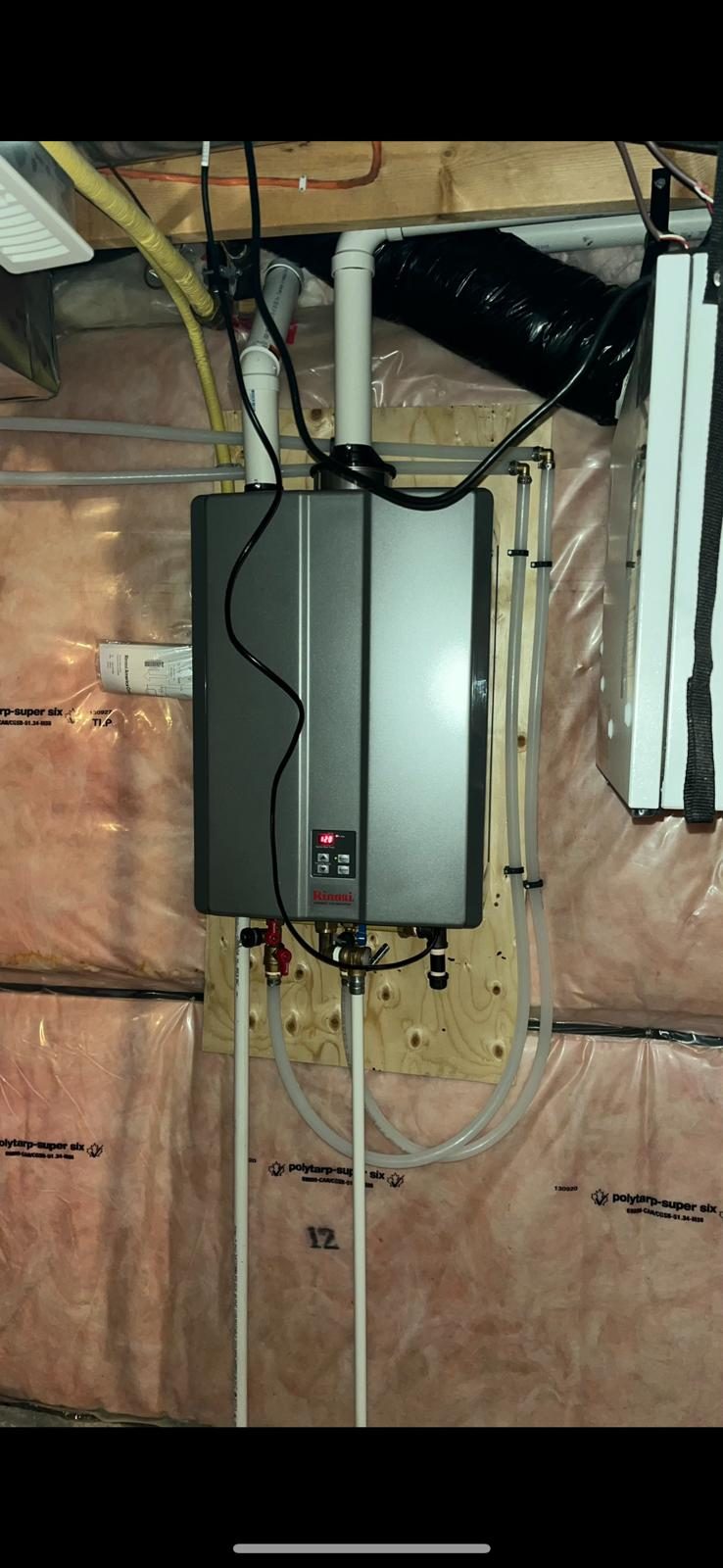
How each system delivers hot water
A tank water heater stores a set volume and keeps it hot. It is familiar, straightforward and often the simplest replacement when an existing tank reaches the end of its service life.
A tankless heater warms water as it flows through the unit. It does not store a large reserve, but it must be sized for the number of fixtures that may run at the same time.
- Tank: simple operation and a stored reserve
- Tankless: compact wall-mounted format
- Both: require correct fuel, venting and drain provisions
- Both: benefit from maintenance suited to local water conditions
Look beyond the appliance
A tankless conversion may require changes to gas supply, venting, condensate drainage or electrical service. Those installation details matter as much as the unit itself.
For a tank replacement, capacity, physical dimensions and connection locations affect how smoothly the new equipment fits the existing space.
Choose around real household demand
Count simultaneous uses, not just the number of people in the home. A shower, dishwasher and laundry cycle may overlap. Matching output to that peak demand is the key to consistent hot water.