
Reverse Osmosis: What It Does and Where It Fits
A practical guide to under-sink reverse osmosis for drinking and cooking water—without the jargon.
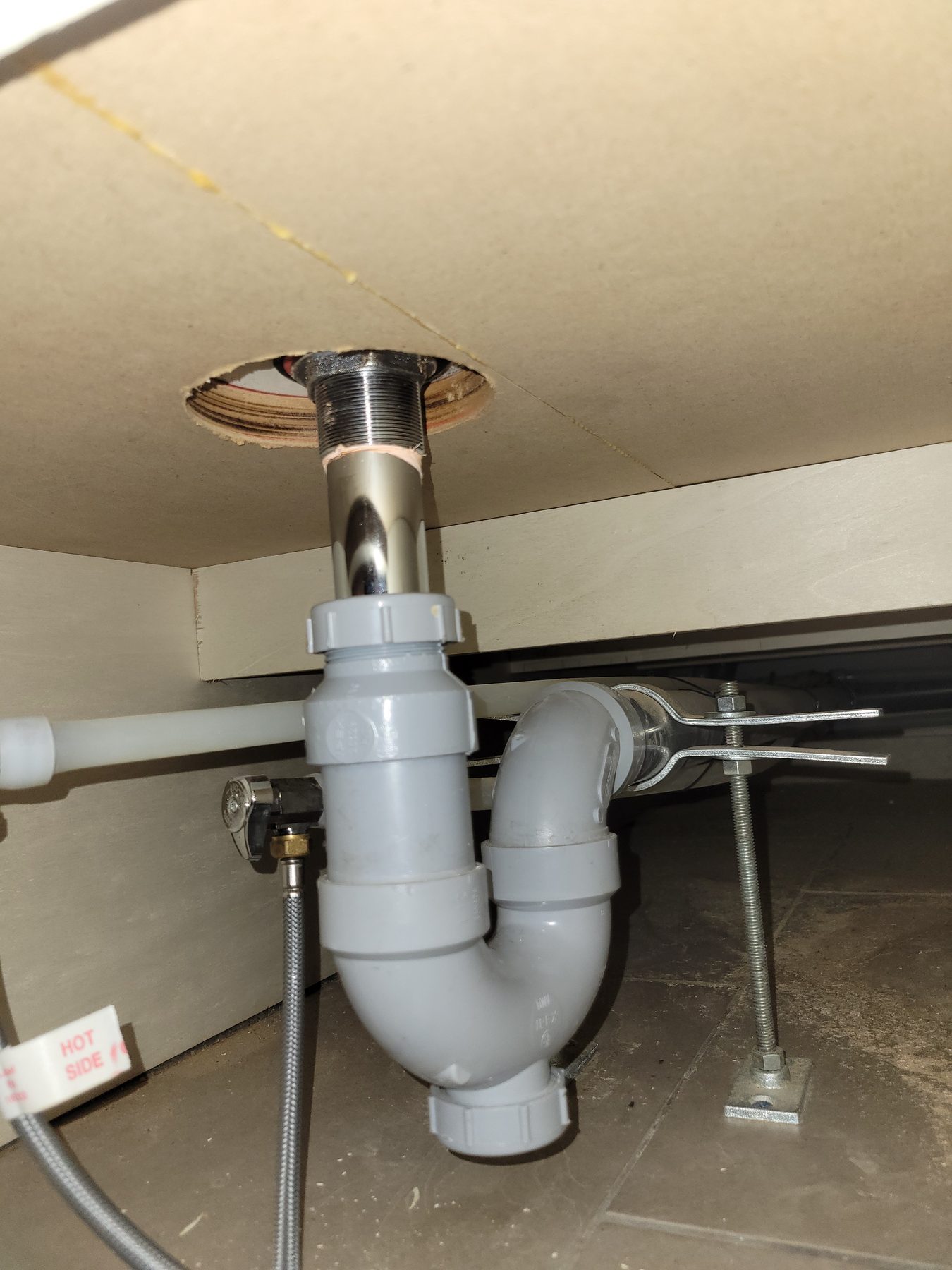
A focused drinking-water system
Reverse osmosis, often shortened to RO, pushes water through a fine membrane. A typical system also uses sediment and carbon stages before or after the membrane.
Most residential RO systems are installed under the kitchen sink and feed a dedicated drinking-water faucet. That makes them a focused choice for water used for drinking, coffee, cooking and ice.
- Improves taste and odour
- Reduces many dissolved substances
- Provides water at a dedicated faucet
- Requires periodic filter and membrane replacement
RO versus whole-home filtration
RO and whole-home filtration solve different problems. RO produces a smaller volume of highly filtered water at one point of use. Whole-home equipment treats water as it enters the property, protecting showers, laundry and every fixture downstream.
Some homes benefit from both: whole-home treatment for hardness or sediment, plus RO at the kitchen for drinking water.
Questions to ask before installation
Confirm how much cabinet space is available, where the storage tank will sit, how the drain connection will be made, and how often filters should be changed. A tidy layout makes future service much easier.