5 Signs Your Home May Need a Water Softener
Scale, spots and soap that will not lather can all point to hard water. Here is what to look for before choosing a system.
Hard water leaves clues
Hard water contains dissolved minerals, most commonly calcium and magnesium. It is not usually an emergency, but those minerals can make everyday cleaning harder and leave scale wherever water is heated or allowed to dry.
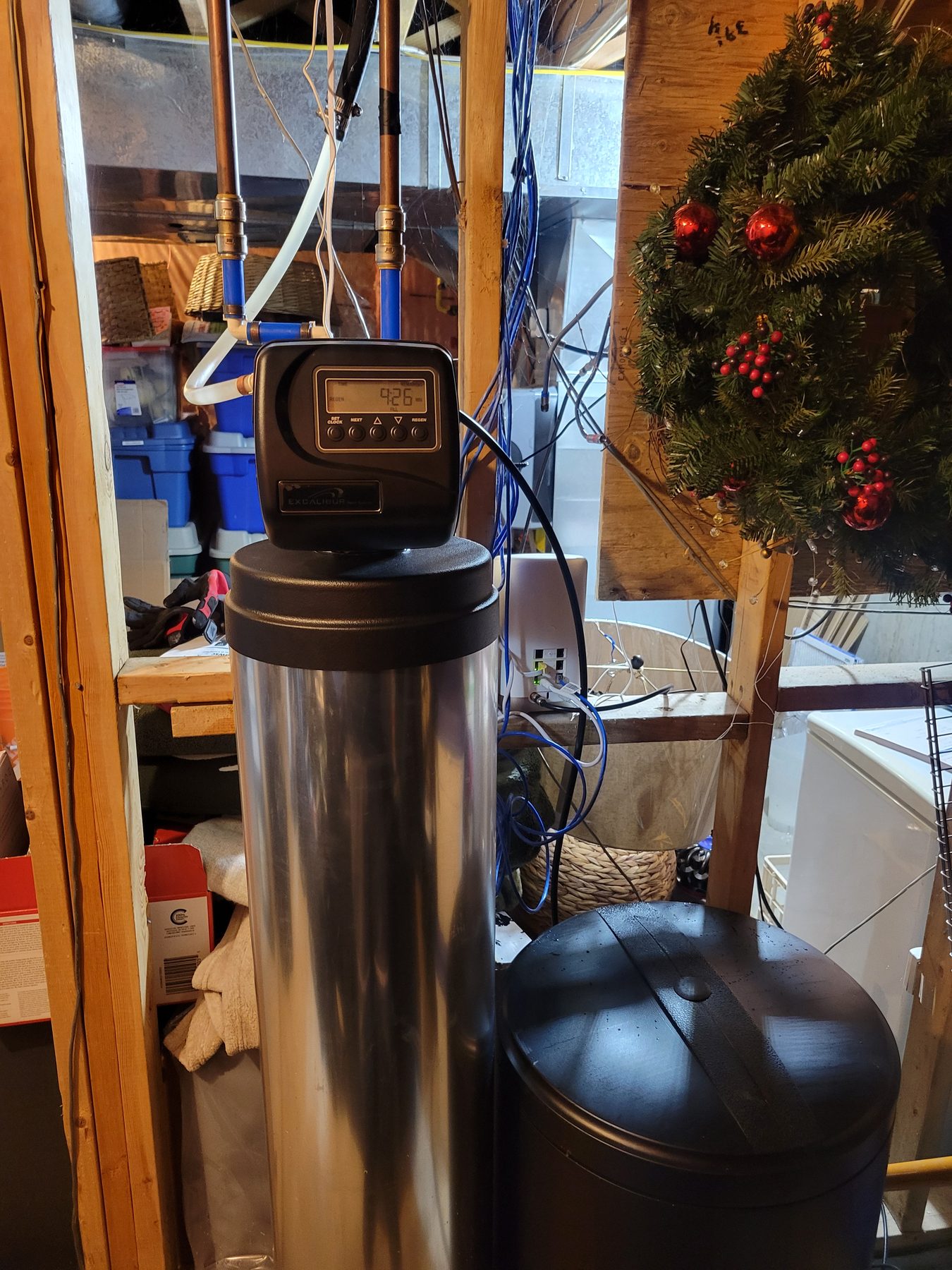
A water softener exchanges those hardness minerals for sodium or potassium ions. The result is water that behaves differently throughout the home.
- White scale around faucets and showerheads
- Cloudy spots on glasses and fixtures
- Soap or shampoo that is difficult to lather
- Dry-feeling laundry after washing
- Recurring scale in kettles and water-using appliances
Why sizing matters
A softener should be selected for the household's water hardness and typical water use. A unit that is too small may regenerate too often. An oversized unit can cost more than necessary and still perform poorly if it is not set up correctly.
The best starting point is a water assessment and a conversation about the number of occupants, fixtures and unusual water demands in the home.
Installation is part of the system
A serviceable installation includes accessible shutoffs, a bypass valve, secure drain routing and settings matched to the water. Ask where the unit will sit, how salt will be added, and what maintenance to expect before work begins.